With generative AI threatening to upend creativity and causing copyright chaos, the entertainment industry is stuck between a rock and a hard place.
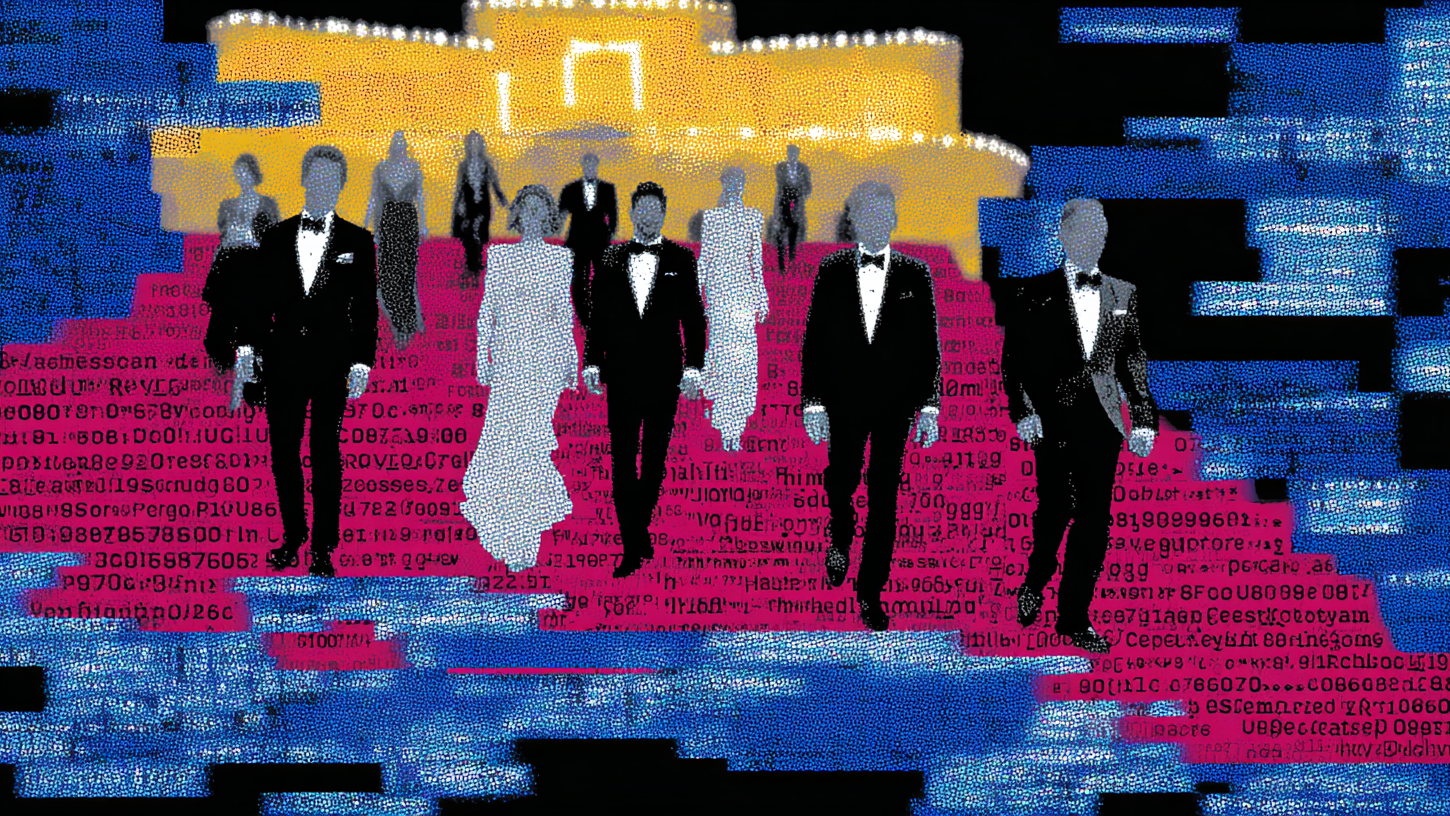
On Tuesday, several Hollywood stars formed an alliance backing a new standard that gives actors more control over how their likeness is used by AI systems. The protocol, called the “Human Consent Standard,” allows people to set terms for the use of their work or license within AI systems, ranging from restricting use entirely to allowing full, unlimited permissions.
The standard was launched by RSL Media, a nonprofit co-founded by actress Cate Blanchett, which has received support from a number of high-profile actors, including Viola Davis, Kristen Stewart, Tom Hanks, Meryl Streep and George Clooney.
The standard is essentially embedded into the underlying digital work, identity or character wherever it appears, requiring web and AI crawlers to check that piece of IP against a registry that’s launching in June. RSL Media then translates those terms into signals that an AI system can understand.
RSL’s standard seeks to quell the chaos surrounding AI’s impact on copyright laws and consent about how a creator’s content is used.
“AI technologies are expanding rampantly, essentially unchecked and unregulated,” Blanchett said in a statement. “In order for humans to remain in front of these technologies, consent must be the first consideration.”
The standard also adds to a growing movement in the entertainment industry to create protections for creators against AI. Actors and artists have banded together in the last several months on initiatives including the “Stealing Isn’t Innovation” petition and the Creators Coalition on AI. Meanwhile, major Hollywood institutions are still sorting out what AI means for awards season.
And while the battle against AI ensues, some in the industry are reportedly helping to feed it: On Tuesday, a WIRED report found that Hollywood screenwriters, seeking work, are increasingly turning to AI training to make ends meet.
Our Deeper View
AI in the entertainment industry is essentially the ouroboros. A vast proportion of creators are rebelling against it, for fear that it could rob them of their livelihoods. That, in turn, could worsen the AI models themselves, which feed on high-quality art to create their own mimicry and constantly need new data to stay current. On the flip side, if AI does manage to put artists out of work, the models will worsen without authentic training data to learn from. Either way you cut it, it’s a lose-lose situation. While there are responsible ways to use AI in any industry, in entertainment, the people most directly affected are asking that human creativity and control be prioritized.