


For almost two decades, smartphones have grown smarter and more powerful, yet somehow ended up all looking the same: a glassy brick in your pocket. But things are starting to get fun.
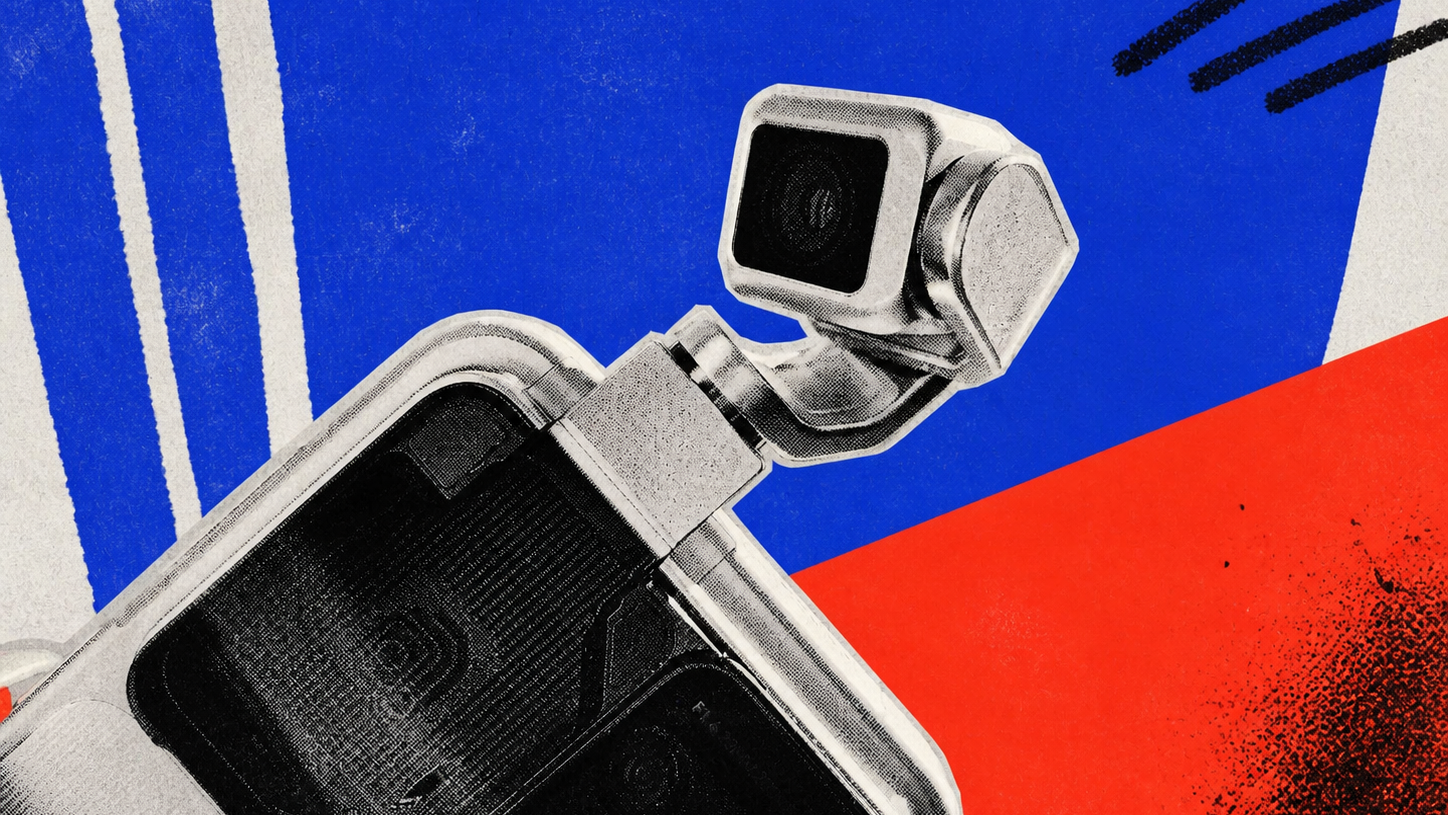
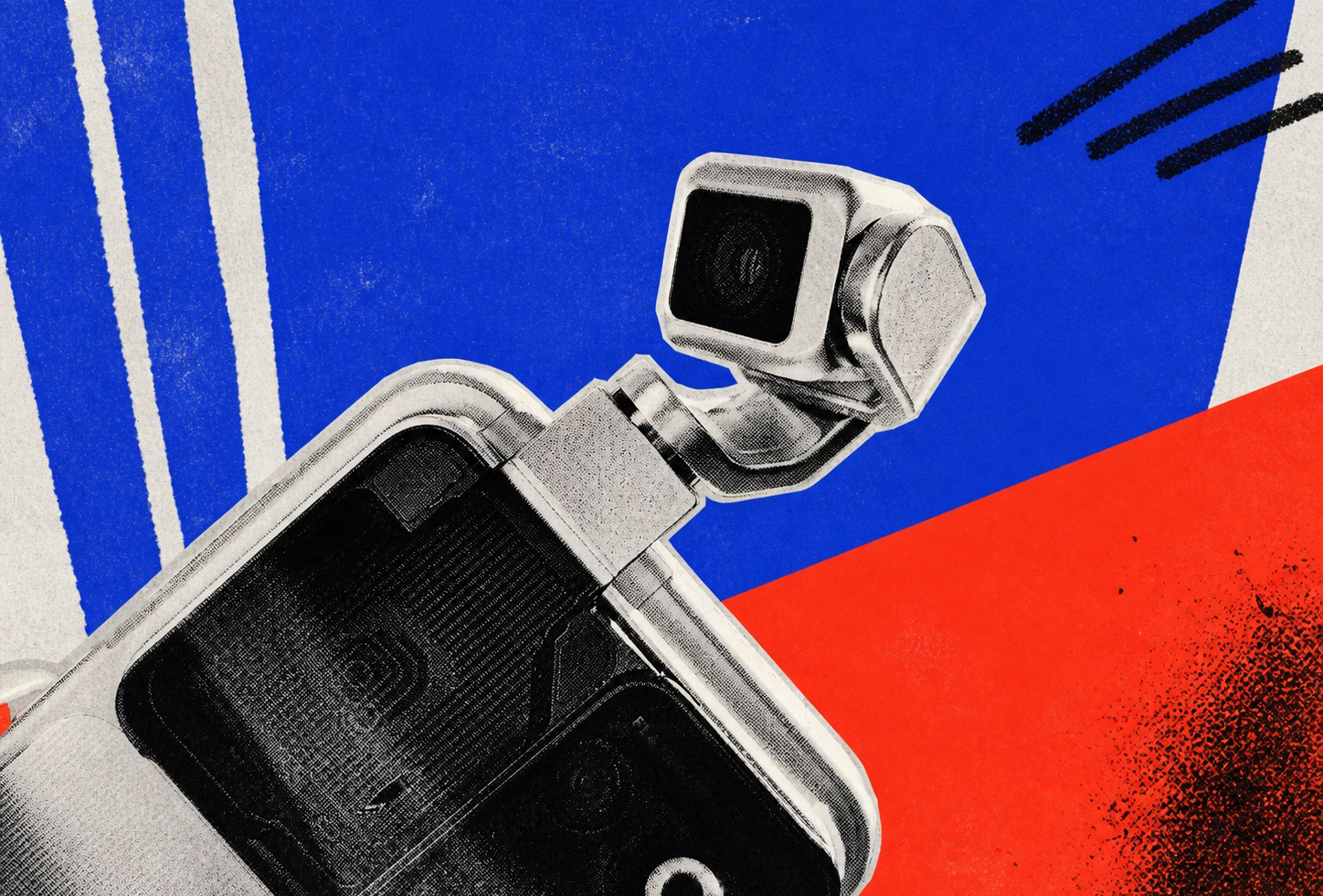
I had a chance to spend time with Honor's new Robot Phone ahead of its launch. At first glance, it looks like an ordinary slab smartphone. But in its full glory, a robot arm on a gimbal emerges from the camera socket. The gains for content creation are clear. The robot head, equipped with a 200MP main camera, can track your movements for photos and videos, keeping your shot stable while you are still in frame. However, the most interesting applications of this little gimbal relate to AI.
During the briefing, Honor described it as an "AI companion." The claim is supported by the adorable (or dystopian, depending on your preferences) interactions that YOYO, the AI assistant, has with users, such as waking up to its name with a little dance. It also has expressive movements, such as nodding and shaking, accompanied by over 100 on-screen facial expressions.
While I do think that having such a cute interaction with an AI assistant may compel people to chat with AI more—and, admittedly, I quite enjoyed chatting with it myself—the real value lies in using AI tracking on the gimbal for multimodal AI prompts.
I've said this for years (even on national television): one of my favorite AI use cases is cooking. Since I like to cook off the cuff, showing an AI assistant my ingredients helps me get precise measurements. My hands are usually dirty, so I leave Gemini Live on and just move into frame when I need to ask something. But what if my phone's AI assistant could just follow me around the kitchen instead?
With the Robot Phone specifically, it's not as simple as that, as the phone would still have to be propped up on Honor's included kickstand, but it's a step in the right direction. It's the same reason I'm such a fan of Samsung's Galaxy Z foldables for AI. They make hands-free assistance easy. With the Galaxy Z Fold 8, which I've been testing for three weeks, you can set it up in tent mode so the outer screen faces you and the selfie camera stays exposed, letting you chat with AI hands-free while it still sees you.

To be clear, do I think most people need an Honor Robot Phone at the moment, or that phones with robot arms like it will become the new norm? Not at all. Rather, I give Honor credit for trying such a novel form factor for a smartphone.
The Honor Robot phone is only available in China, and it's clearly a 1.0 product. However, Apple is rumored to finally be entering the foldable market by releasing a device similar to the Galaxy Z Fold 8 in September, and the new Samsung foldable lineup is already available for purchase. So if you're interested in experimenting with new form factors, and possibly elevate your AI game, you've got options.
Our Deeper View
Form factor is only half the story, of course. The AI itself needs to keep getting better in these phones. For instance, the Google Pixel 10 has been the best AI smartphone for the past year, despite being a slab, largely because Gemini is so seamlessly integrated into the phone and powers actually helpful features. Google also has its own foldable, the Pixel 10 Pro Fold, which benefits from the same hands-free advantages as other foldables I mentioned, though Google's version lags behind competitors like Samsung due to its heft and bulk. Its newest addition, the Pixel 11 Pro Fold, which just launched last week, is one to watch. If hardware upgrades make the foldable, hands-free form factor on par with Samsung's lineup, and combine that with the best AI built into a smartphone, it could truly claim the crown as the best AI phone. I will be testing it for the upcoming weeks and updating you as I go across my socials (Instagram, Twitter and Threads), as well as The Deep View.