
pple is heading into the AI era with a hardware guy as its new CEO.
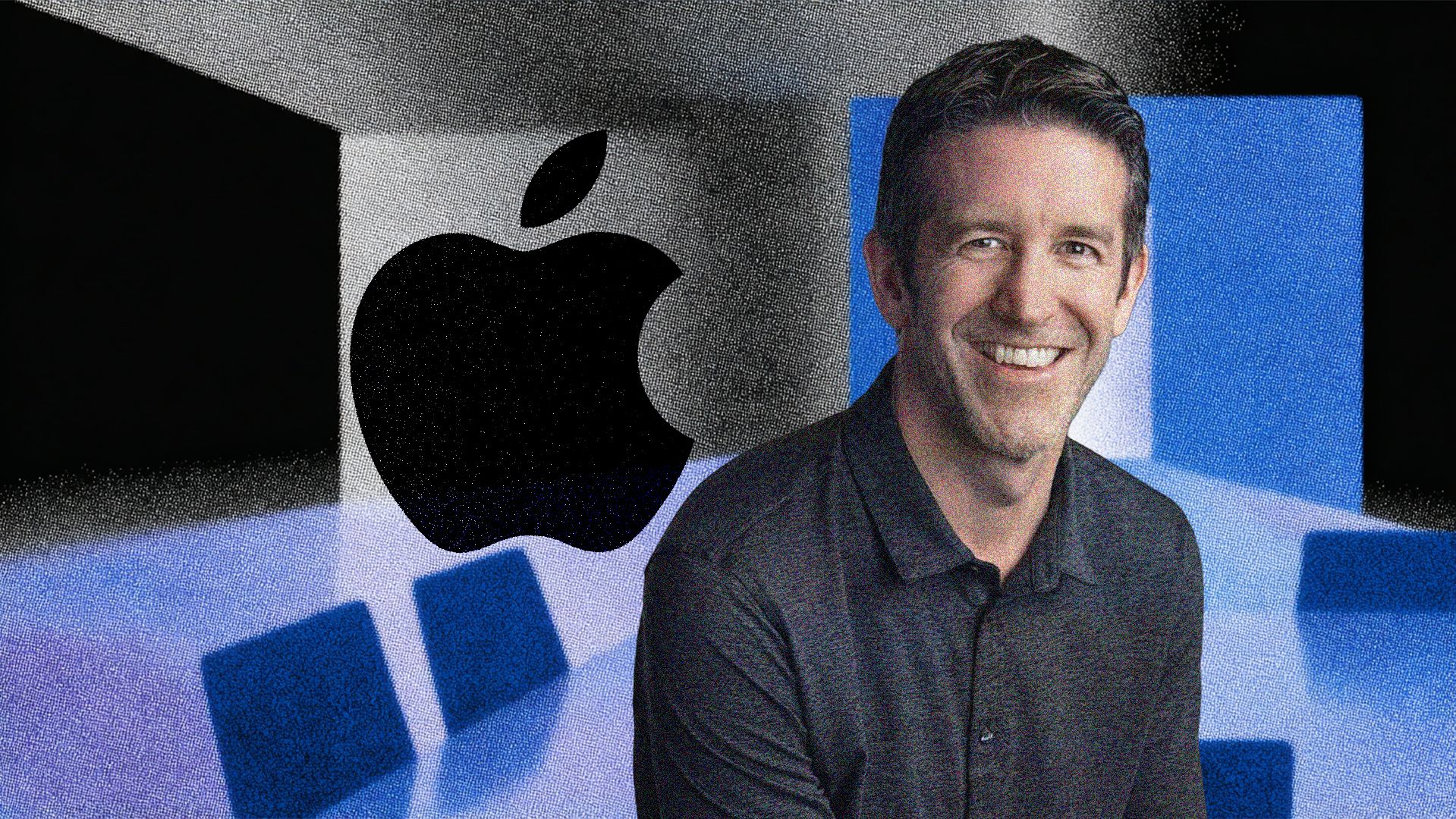
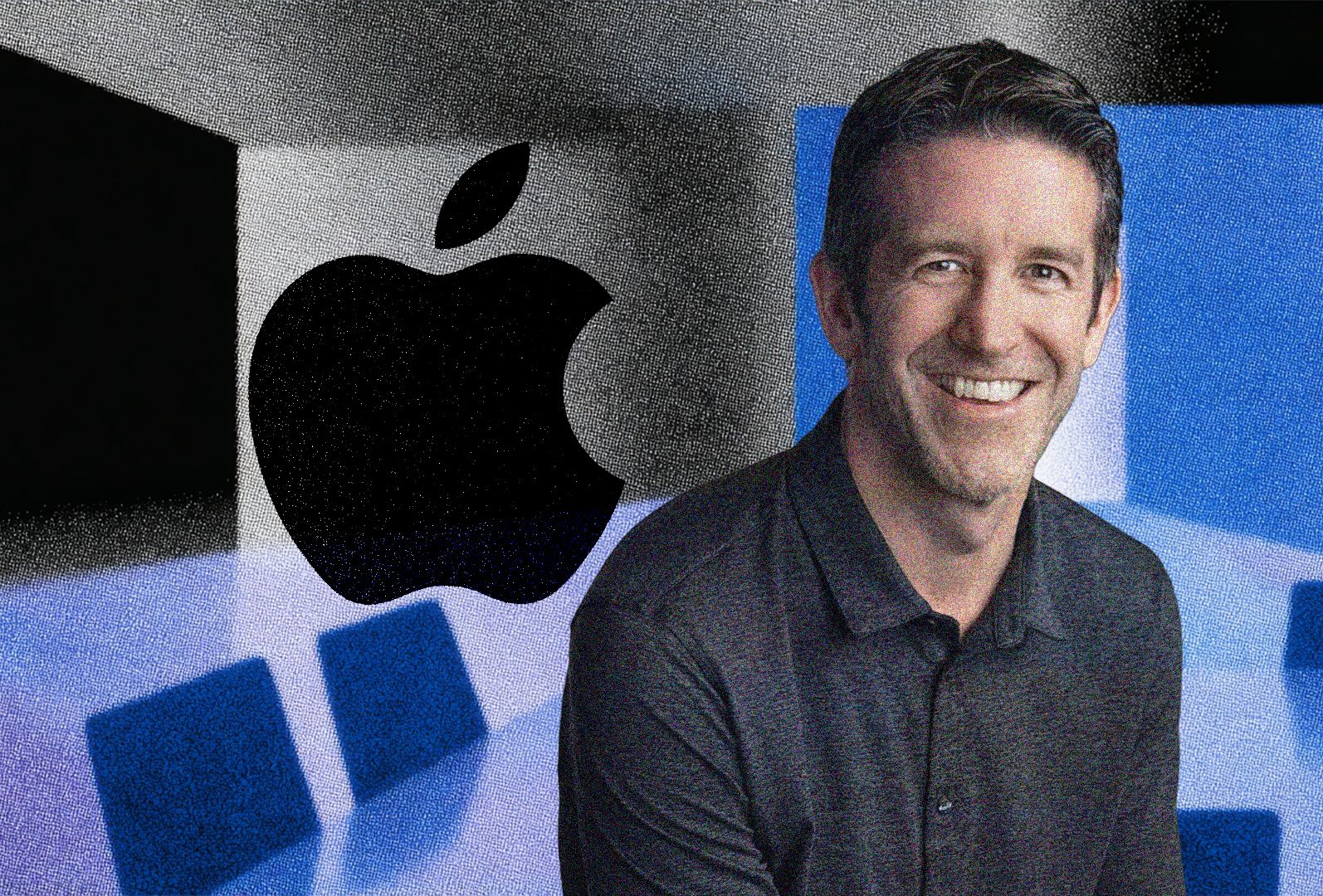
Longtime hardware engineering leader John Ternus will succeed Tim Cook as the company's new chief executive on September 1, the company announced on Monday.
While Steve Jobs turned Apple into the top consumer product company in the world, Tim Cook took that success and turned it into the most profitable consumer business of the era and the world's most valuable company for a long stretch from 2011 to 2024.
But its next act is a much bigger question mark.
In the past two years, Apple was dethroned from its spot as the No. 1 public company as investors poured money into Nvidia and Google, two leaders of the AI boom. Both companies passed Apple, while Microsoft and Amazon have also bet their futures on AI and threaten to overtake Apple in the months and years ahead, if it can't find its place in the AI ecosystem.
When it comes to Apple and AI, there are a number of conflicting trends to follow:
- R&D: Apple has regained some investor confidence lately because of its more sober approach to AI R&D spending compared to the other tech giants. While that works in its favor in a risk-off market, if and when investors get bullish about AI again, Apple will get left behind for the same reason. Investing less in future projects could also limit Apple's longterm possibilities for its next major product hit.
- Gemini: Earlier this year, Apple waved the white flag on becoming a frontier AI lab and signed a deal with Google to white-label Gemini as Apple's AI model provider. Primarily, Gemini will give Siri a brain transplant in the next version of iOS.
- Agents: The personal AI agent boom has turned into an unexpected win for Apple, but not because of the software. AI enthusiasts have rushed to buy Mac mini and Mac Studio computers to run their agents in a safe, separate box. The boom has turned the Mac mini into a bit of a cult hit and an icon of the AI agent moment of 2026. In fact, sales have been so brisk that both the Mac mini and Mac Studio are backordered until the fall.
- Devices: In recent years, Apple also made the wrong bet on VR headsets with Vision Pro, rather than focusing on lightweight AR experiences with glasses—a form factor that's also much better suited for the AI future. It's now retrenching and reportedly preparing to launch not only glasses but also other AI-first devices.
"Ternus represents a quiet pivot back toward product intimacy, a tighter coupling between hardware, software, and emerging AI capabilities," said Dipanjan Chatterjee, principal analyst at Forrester. "But he must resist the temptation of incrementalism that has plagued Apple of late and escape the iPhone’s gravitational pull in his quest for the next disruptive form factor. As Ternus assumes the helm, he must define Apple's future as ferociously as he defends its past."
Our Deeper View
Ternus is a hardware product leader through and through, and the timing of this transition is not accidental. Apple has reached crunch time in its AI journey, and it needs a clear strategy. There's still time to play a key role in AI's future, but it has catching up to do, and the margin for error has decreased considerably. With Ternus taking the reins, Apple is again making the statement that it sees its role in the AI ecosystem primarily as a hardware and devices builder. That means it will have to win on integration, ease of use, privacy, and trust. While it has the home-field advantage in all those areas, it will have to avoid the unforced errors that have plagued its AI execution over the past two years.